Our People
The SCI:FI Lab Team
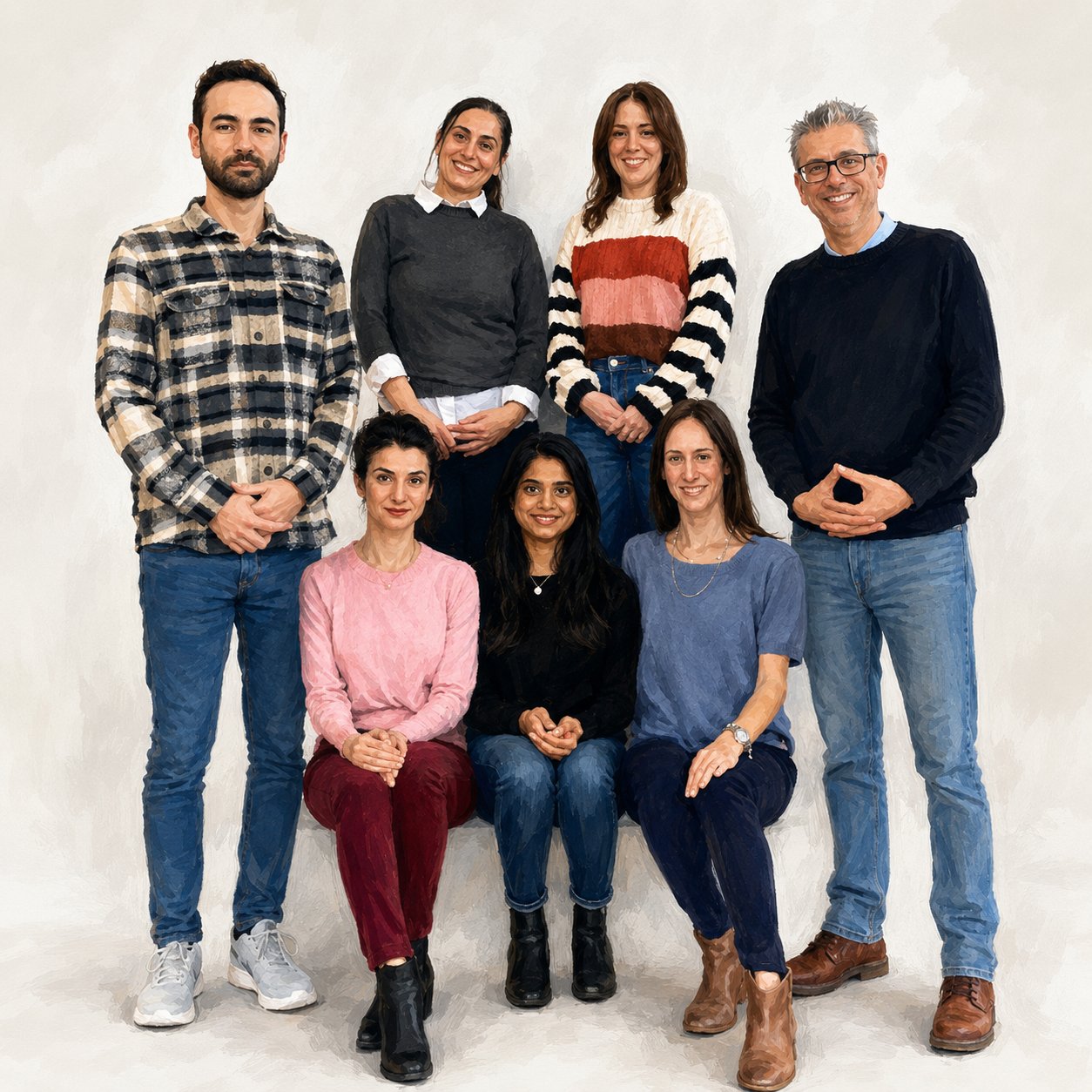
The SCI:FI Lab Team · George Mason University · Fairfax, VA
Social Cognition • Interaction • Future Intelligence
SCI:FI Lab is an interdisciplinary research laboratory dedicated to understanding how humans think, interact, trust, and collaborate in an increasingly interconnected world. The lab investigates the mechanisms underlying social behavior, decision-making, trust, cooperation, and human–AI interaction through a systems social neuroscience approach.
Our People
The SCI:FI Lab Team · George Mason University · Fairfax, VA
Our Questions
We use fMRI, behavioral experiments, and computational models to investigate the neural and psychological foundations of social cognition.
How do humans perceive and understand other agents?
Social Cognition focuses on how individuals perceive, interpret, and understand other people, intelligent systems, and social environments.
Trust & Cooperation →How does trust unfold across human and AI interaction?
Interaction emphasizes the dynamic relationships among humans, AI, institutions, and society — from Human↔Human to Human↔AI and Human↔Society.
Trust in Automation & AI →What does trust look like in future intelligent systems?
Future Intelligence extends our perspective toward emerging forms of intelligence, including artificial intelligence, collective intelligence, and future human–technology systems.
Applied Research →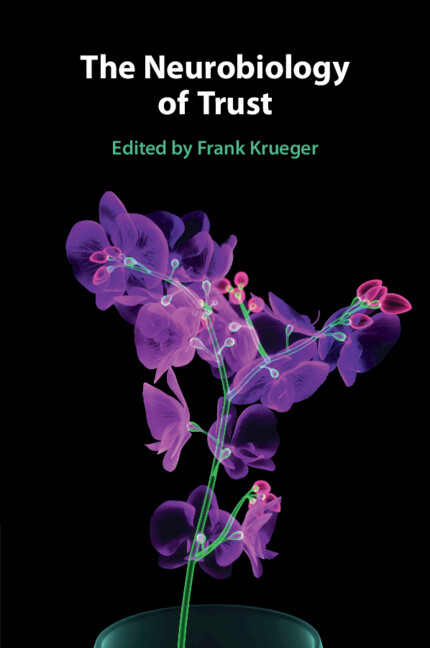
Featured Work
Edited by Frank Krueger, this Cambridge University Press volume brings together leading neuroscientists to map what we know about the brain basis of trust — from molecular mechanisms to social policy. A landmark reference in the field.
| Editor | Frank Krueger |
| Publisher | Cambridge University Press |
| Year | 2021 |
Interested in collaborating, joining the lab, or learning more about our research? We welcome inquiries from prospective students, researchers, and partners.